How to Read a Company's Financial Statements
An overview of methods for analyzing company financial statements: search, cards, dynamics, and owners.
Instant Company Search
Modern tools allow for rapid identification of any registered organization. The search is conducted by name, tax identification number, or registration number. These data serve as a reliable foundation for further financial analysis.
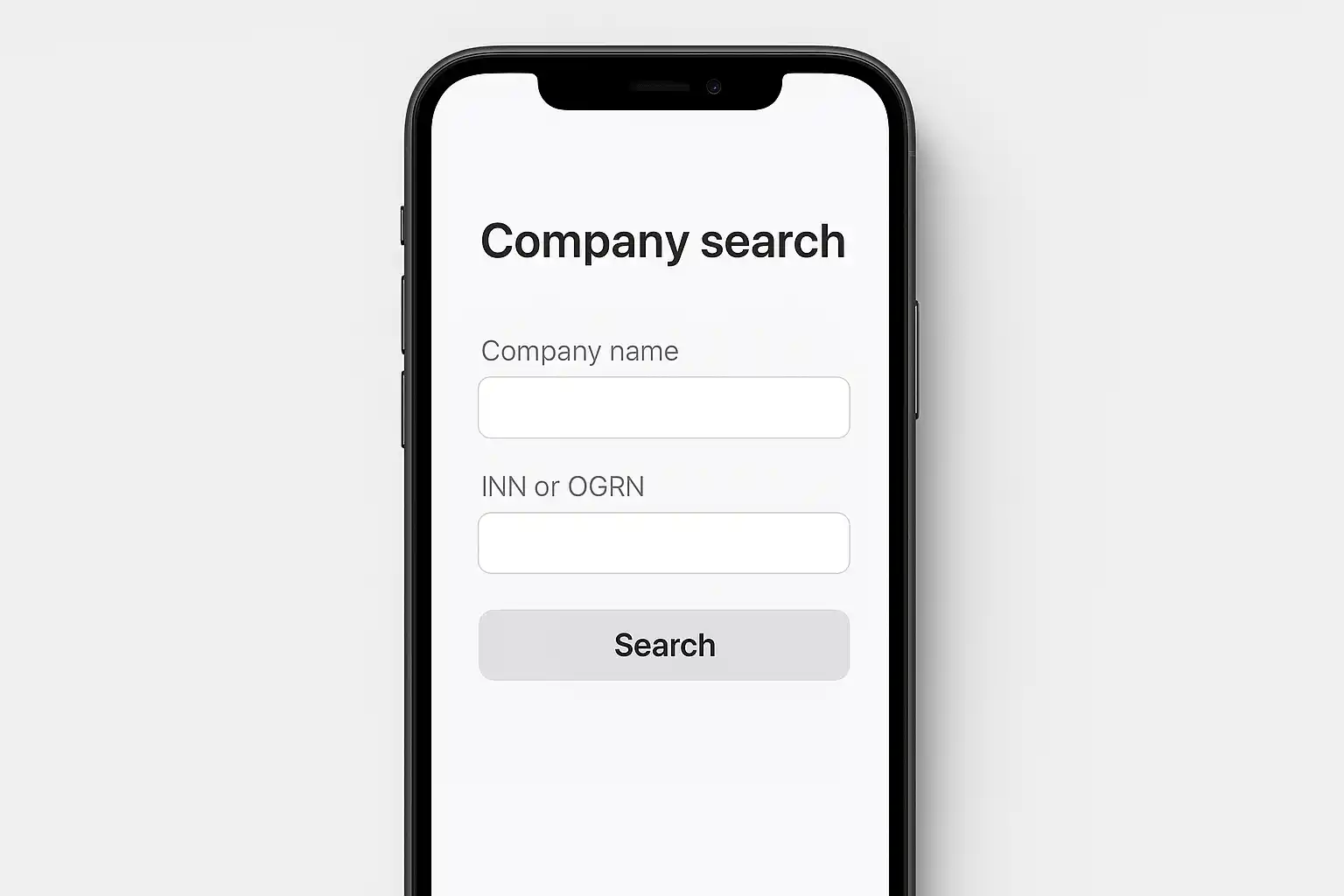
- Quick access to information.
- Accuracy and data currency.
- Ability to refine details.
Complete Company Profile
A complete company profile provides registration data, addresses, types of activities, and contacts. These are key details that help form a general understanding of the company and its market positions.
- Registration data.
- Contact information.
- Business areas.
Financial Statements
Company financial statements show long-term results, analyze ratios, and dynamics. Studying these data helps understand financial stability and growth prospects.
- Long-term results.
- Efficiency ratios.
- Development trends and dynamics.
Owners and Management
Information about owners and management includes data on beneficiaries and their connections to other companies. This helps assess influence and the degree of participation of each stakeholder.
- Data on beneficiaries.
- Company executives.
- Connections and influence.
Legal History
Data about legal history include information about cases the company has been involved in and their outcomes. This is a crucial aspect for assessing risks and the company's legal reliability.
- Description of cases.
- Outcomes of proceedings.
- Risks and consequences.
Catalog Browsing
The catalog browsing function allows viewing companies by categories, regions, and cities. This facilitates comparison and selection of the best options among competitors.
- Company categories.
- Regional distribution.
- Comparison and analysis.