Company Financial Statement Analysis
Guide to reading and analyzing company financial reports for understanding their status and dynamics.
Company Search and Registration Data
To start the analysis, a company search is needed. Using the name, tax ID, or registration number, any registered organization can be quickly found. The company's card provides registration details, addresses, types of activities, and contacts necessary for initial analysis.

- Company name
- Tax ID and Registration Number
- Contact Details
- Addresses and Activities

Financial Statements: Key Indicators
Financial statements contain important indicators reflecting the company's economic status and dynamics. Multi-year reports allow to trace changes and identify trends. Key ratios help analyze the company's stability and profitability.
- Income and Expenses
- Profitability
- Asset Dynamics
- Financial Stability Ratios
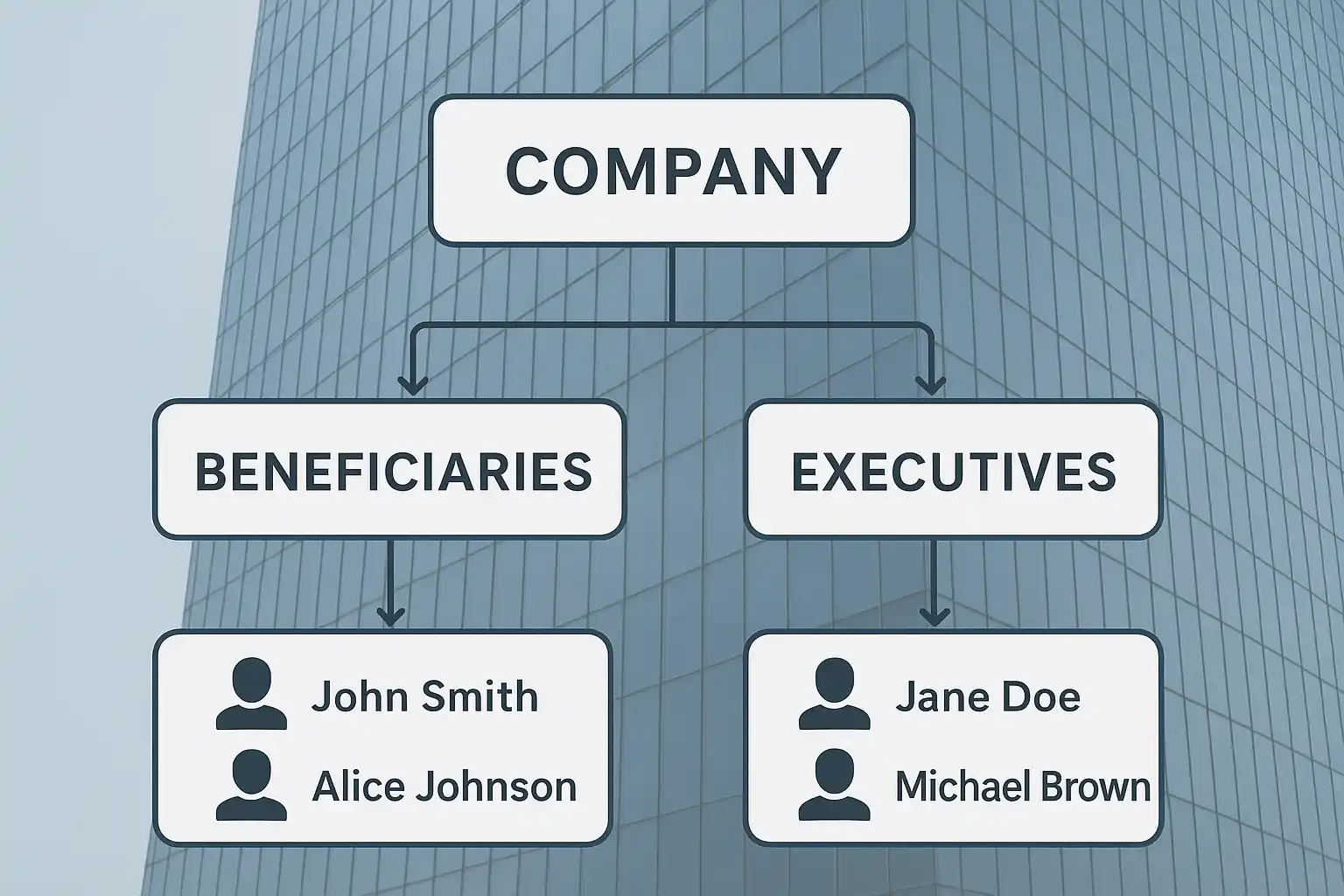
Ownership Structure and Management Analysis
Studying the owners and managers is crucial for understanding the company's internal structure. Beneficiaries and executives may have links with other organizations, potentially affecting the company's operations. Information on management helps assess the team's professionalism and experience.
- Beneficiaries
- Executives
- Links to Other Companies

Company Legal History
Legal history provides data on cases involving the company. Analyzing these helps assess legal stability and associated risks. The outcomes of legal proceedings can significantly impact the company's reputation.
- Participating Legal Cases
- Case Outcomes
- Legal Stability
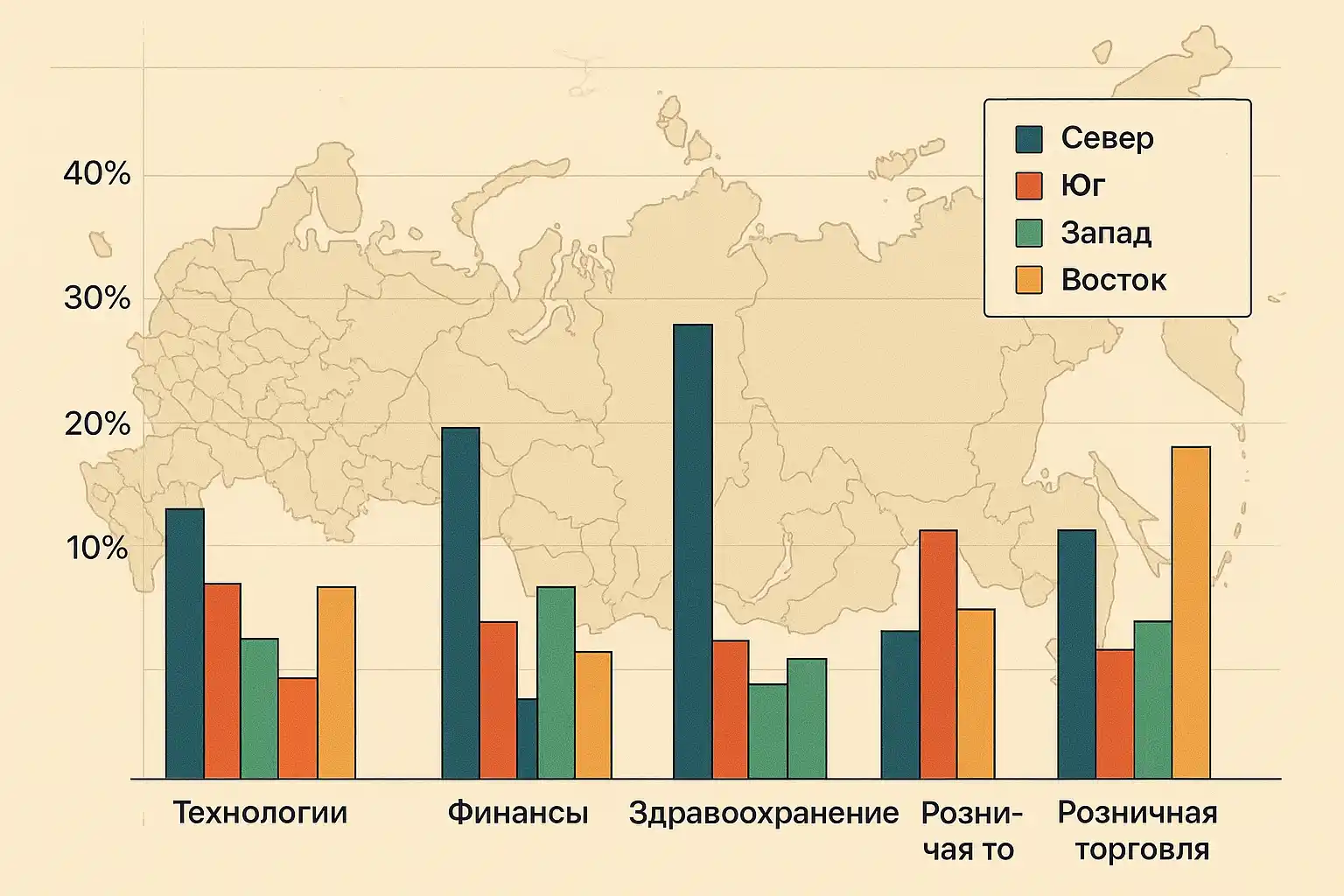
Company Catalog and Classification
Companies can be viewed by categories, regions, and cities. This is convenient for comparative analysis and determining a company's position in a specific category or region. This approach helps identify industry leaders and outsiders.
- Company Categories
- Regions and Cities
- Comparative Analysis